

How can a visual identity become a physical landmark?
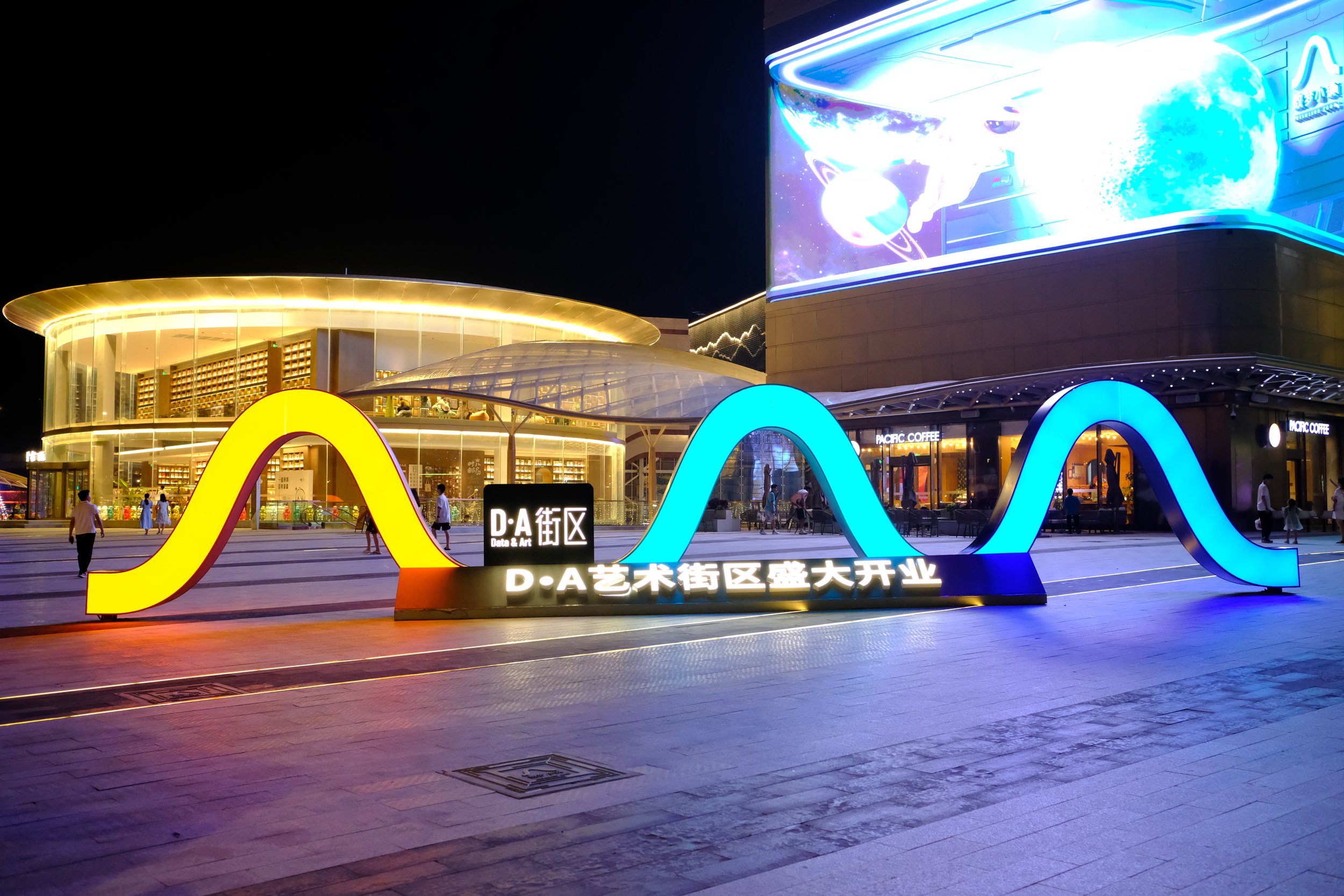
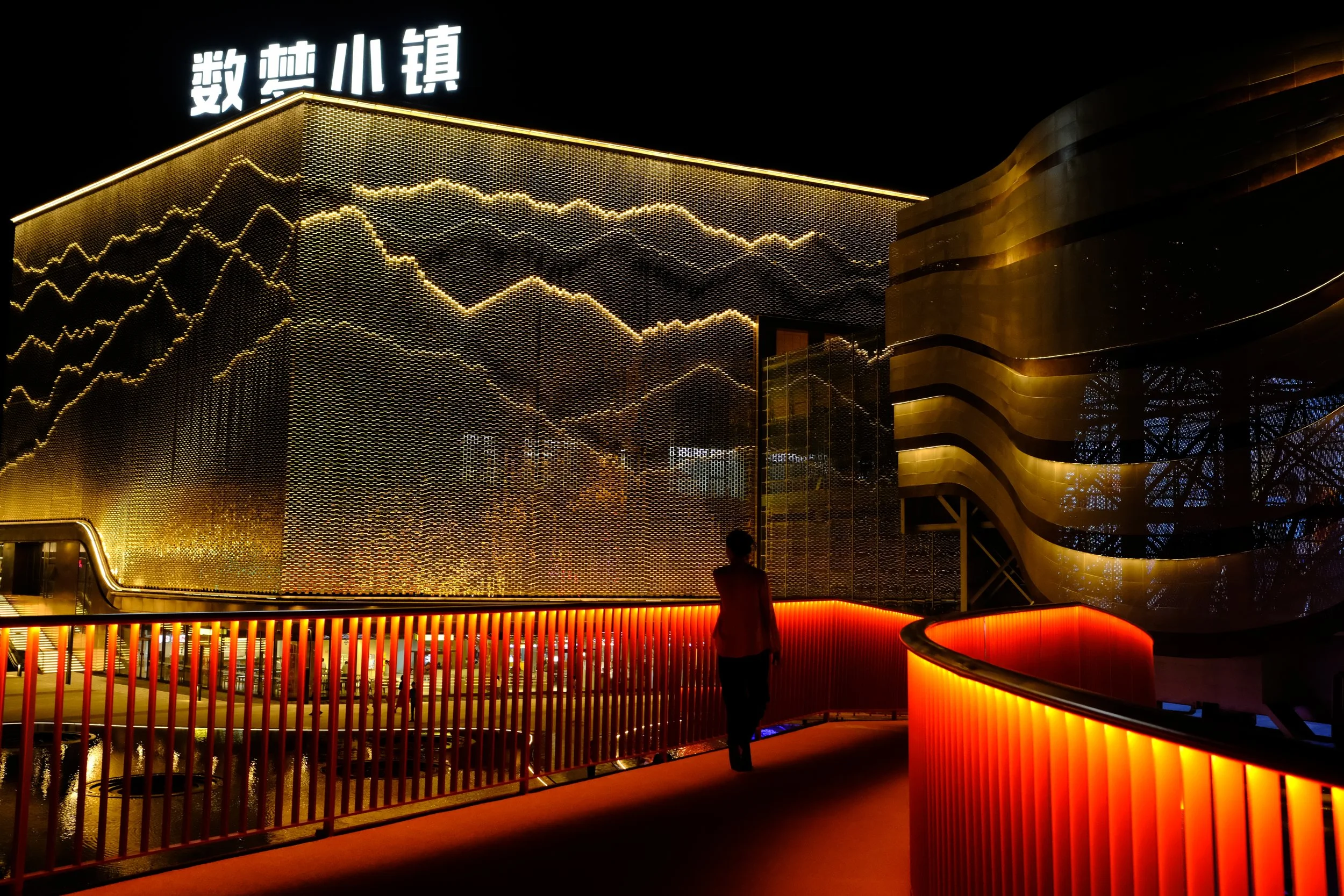
In the development of Dreamland Town, we framed the problem as engineering a spatial identity.
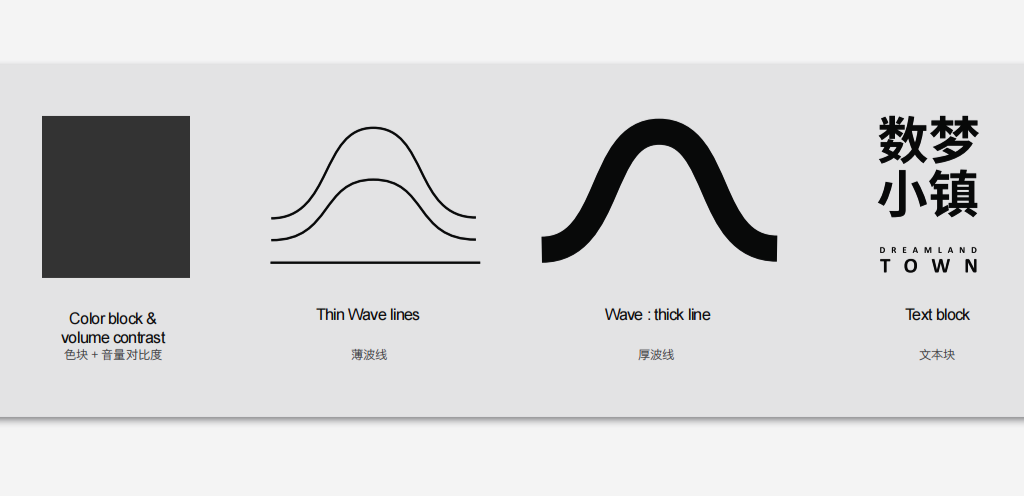
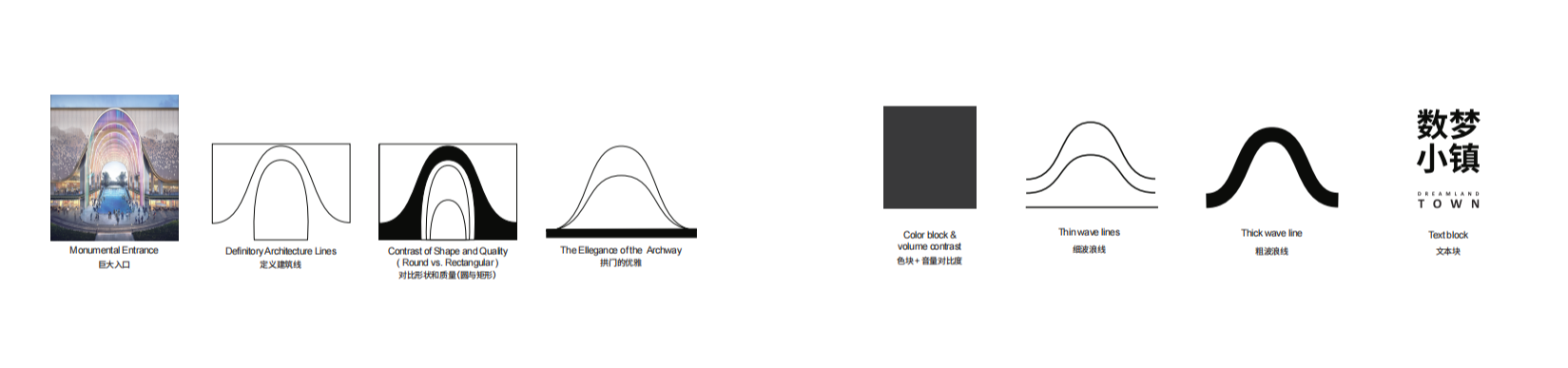
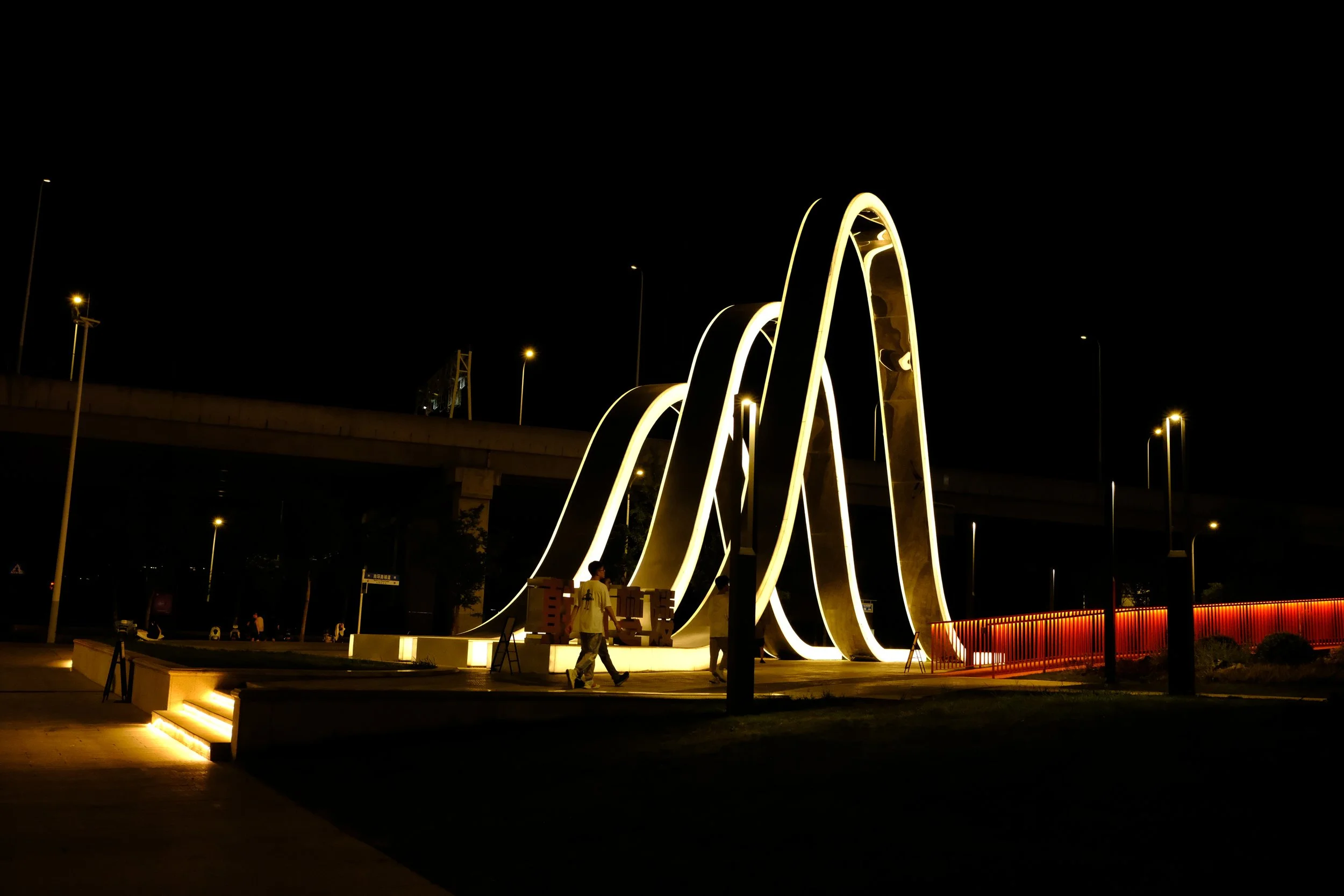
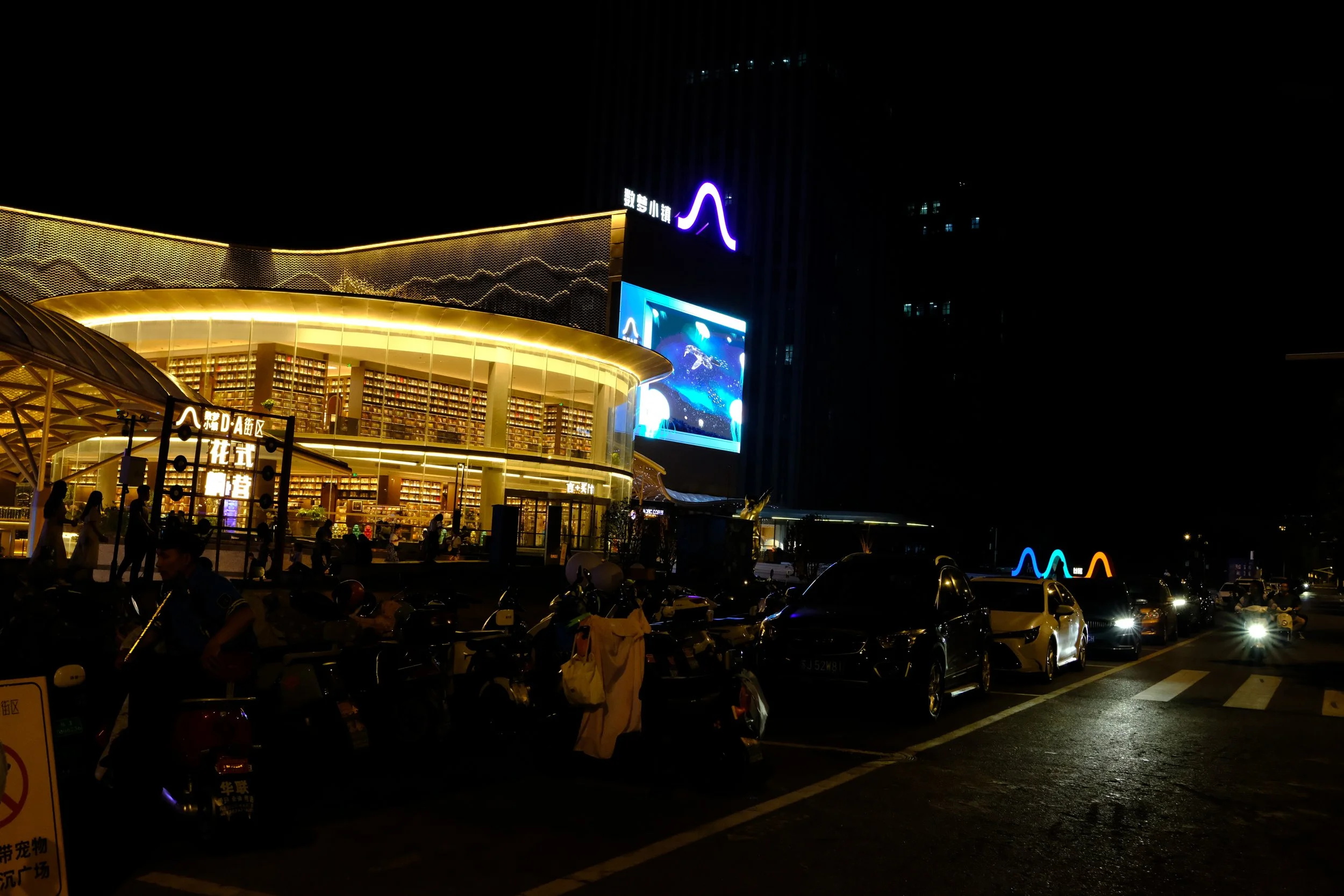
Using our Integrated Design Intelligence framework, we aligned the core brand positioning with the tangible reality of urban sculptures. We actively unified these disparate touchpoints—2D graphics and 3D structural forms—establishing a consistent narrative language across the commercial zone.
This approach moved beyond, into a functional system where the brand is the environment.
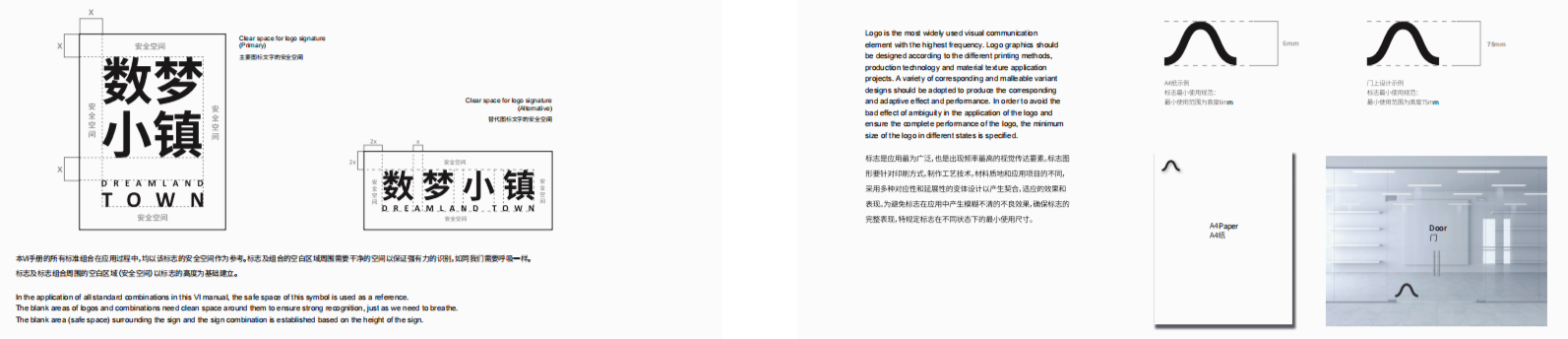
By optimizing the connection between the Visual Identity and public space art, we delivered predictable effectiveness in how the space is perceived and navigated. This seamless execution of brand-as-infrastructure generated sustained value for the property and secured a nomination for the Design 360 Award (2022) in the Environmental Graphic Design of the Year section.


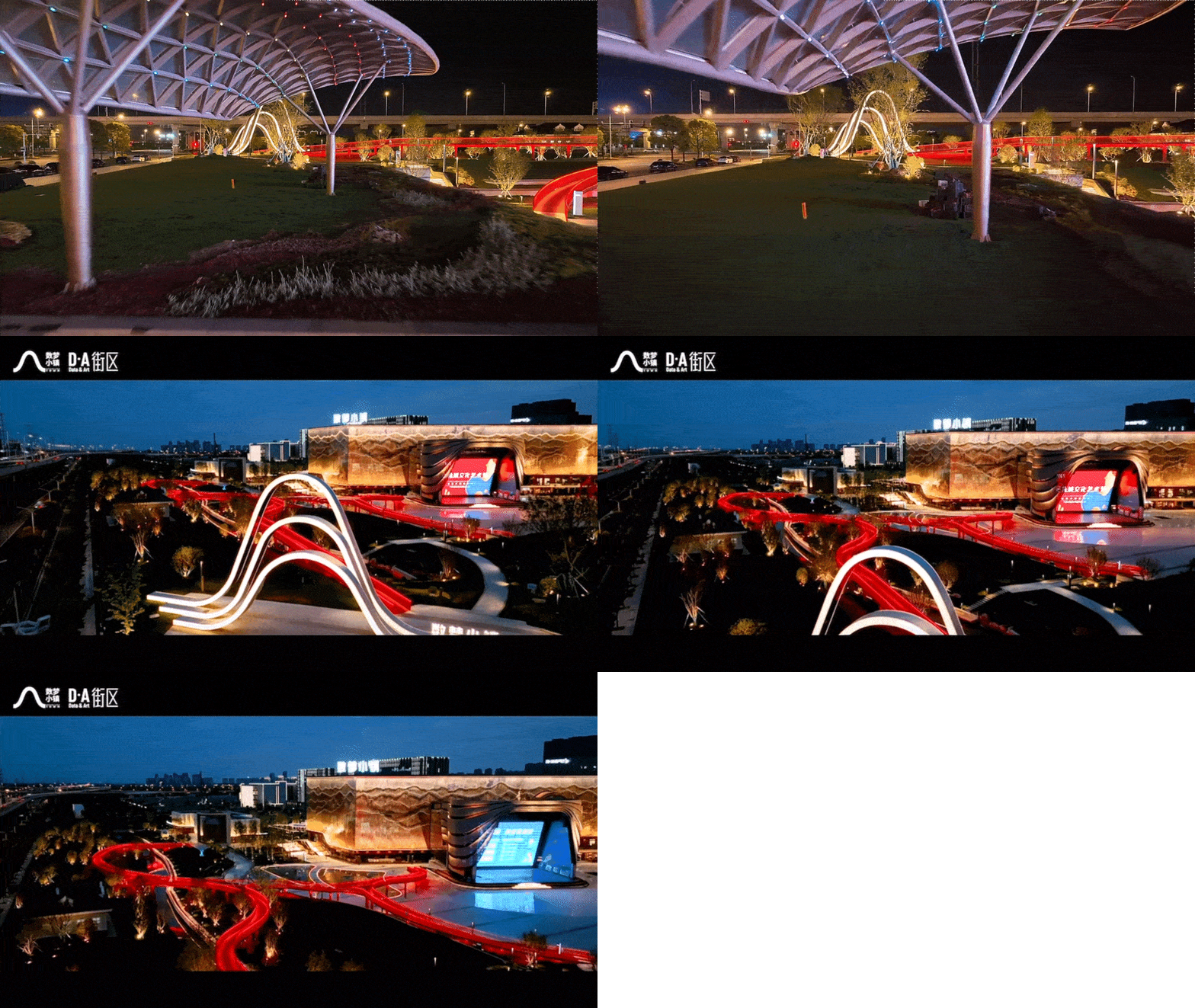
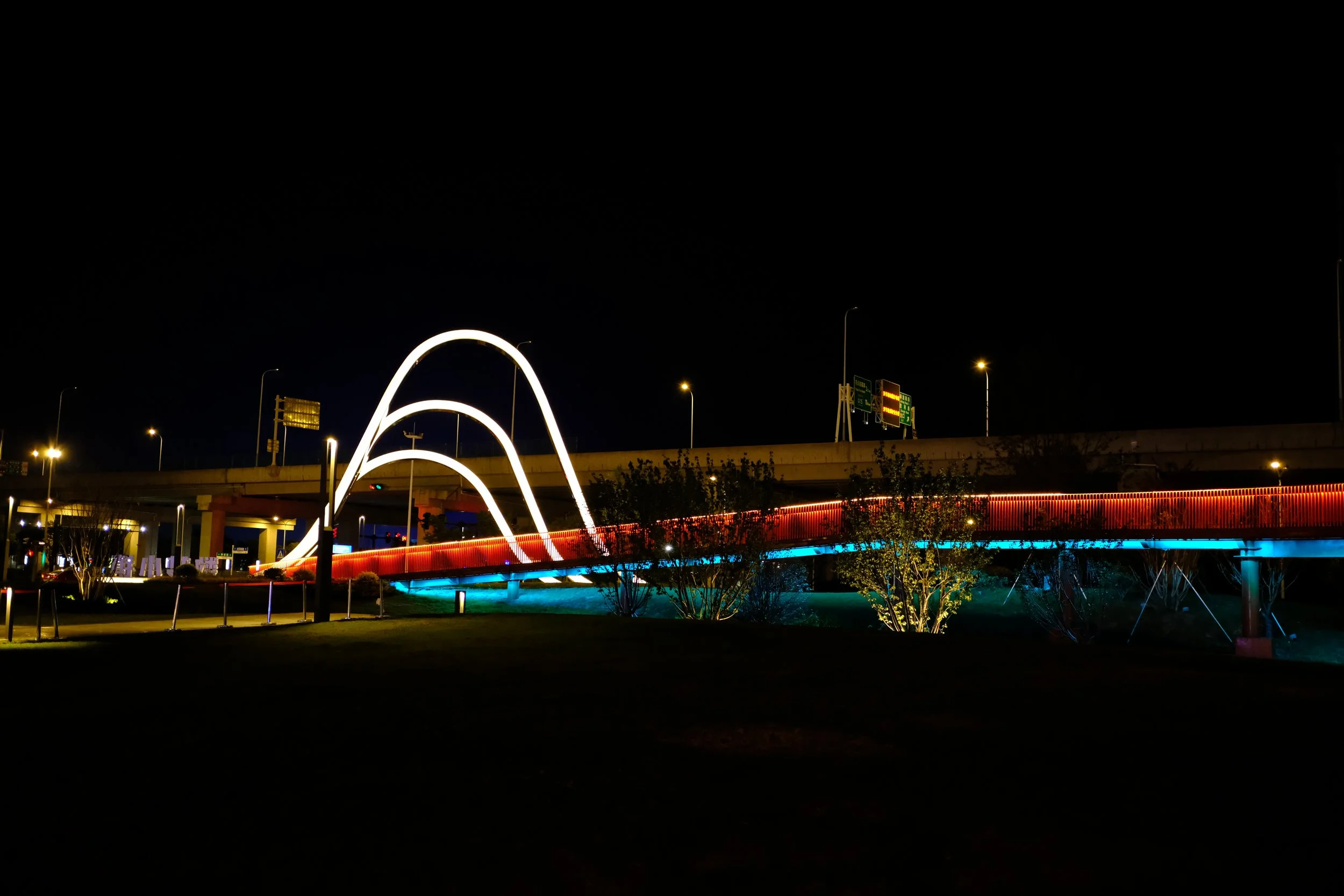
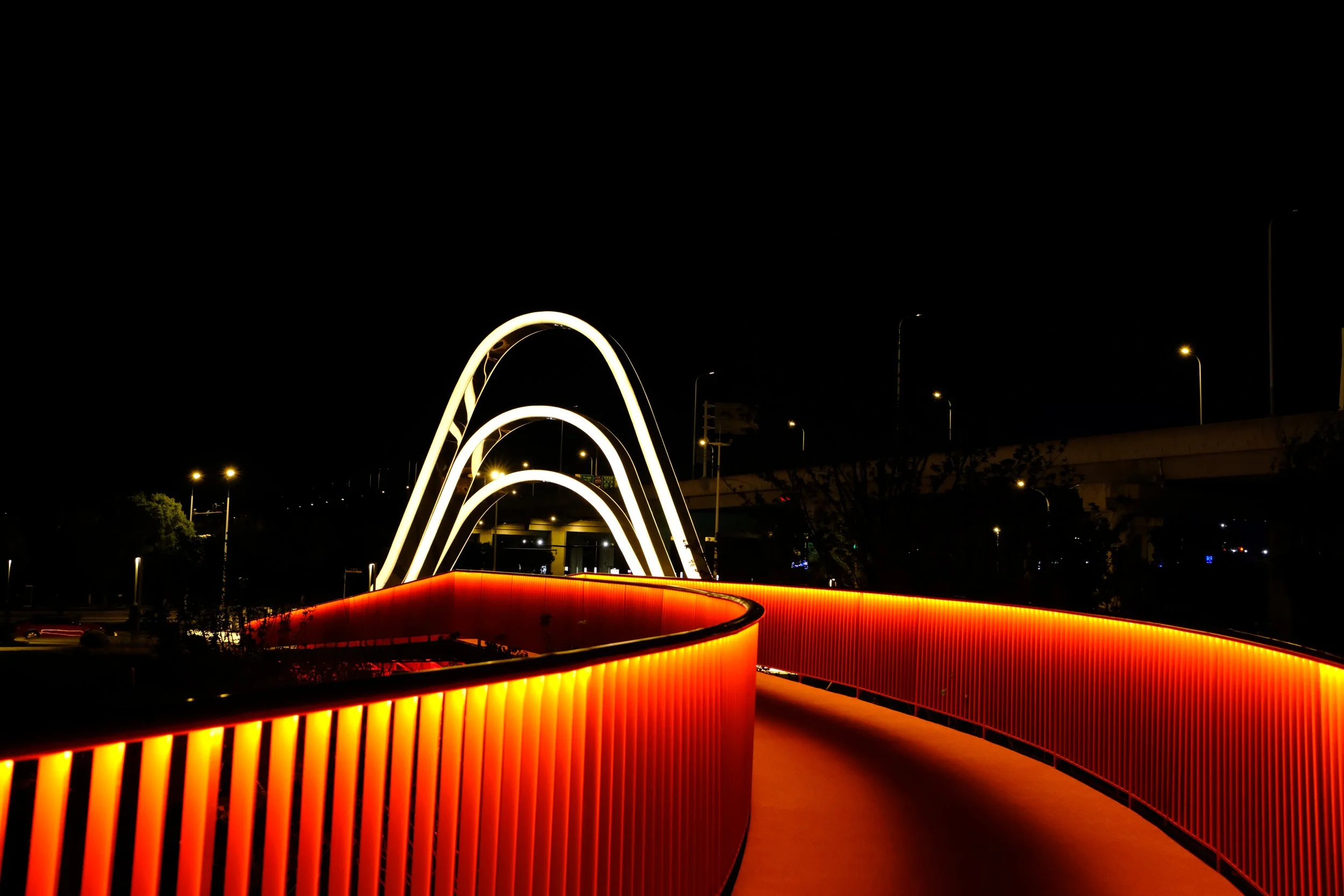
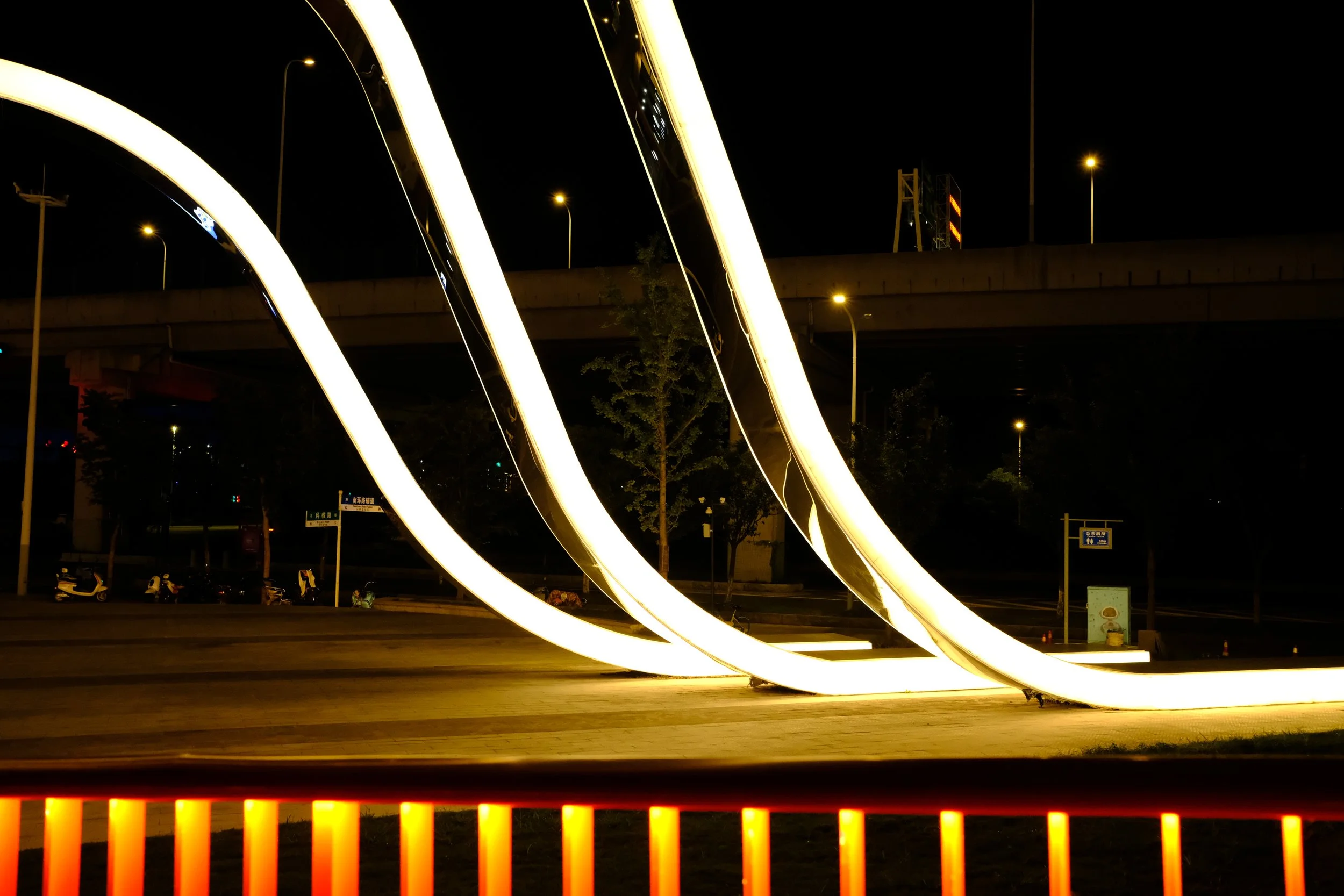
Dreamland Town: Commercial Real Estate & Placemaking
Industry: Commercial Real Estate / Urban Development
Environmental Graphic Design (EGD)
Strategic Placemaking
Urban Sculpture & Spatial Art
3D Brand Integration
Commercial District Identity
Civic Branding & Wayfinding
Award-Winning Spatial Design